
Property Emergencies in Fort Madison, IA: What to Know
Key Takeaways:
- Water damage can trigger mold growth in as little as 24 to 48 hours, so speed is everything
- Most standard homeowners policies in Iowa cover sudden water damage from burst pipes and fire damage, but flood damage from the Mississippi typically requires separate flood insurance
- Calling a restoration company first doesn’t mean bypassing your insurance — it means getting the damage controlled before it gets worse
- As a homeowner in Iowa, you have the right to choose your own restoration company regardless of which carrier you’re insured with
- Clean Restoration serves Fort Madison 24 hours a day, 7 days a week, with an average on-site response time of around 30 minutes
Living along the Mississippi River corridor has its advantages. But if you’re a Fort Madison homeowner, you already know that proximity to the river, combined with Iowa’s harsh winters and warm, humid summers, means property emergencies aren’t a rare hypothetical. They’re something your neighbors have dealt with, and something you may face at some point yourself.
When a pipe bursts at 2 a.m. or a kitchen fire leaves your home smelling like smoke, most people freeze up. They don’t know who to call first, what to document, or how quickly they need to move. That uncertainty is completely understandable — and it’s exactly what this post is here to clear up.
The Most Common Property Emergencies in Fort Madison
Fort Madison’s geography and climate create some fairly specific risks. Winters bring frozen and burst pipes. Spring and summer bring Mississippi River flooding and severe storms. Year-round, older homes in the area are vulnerable to appliance failures, sewer backups, and the kind of hidden moisture that quietly turns into a mold problem.
Here’s a realistic look at what we see most often.
Water Damage
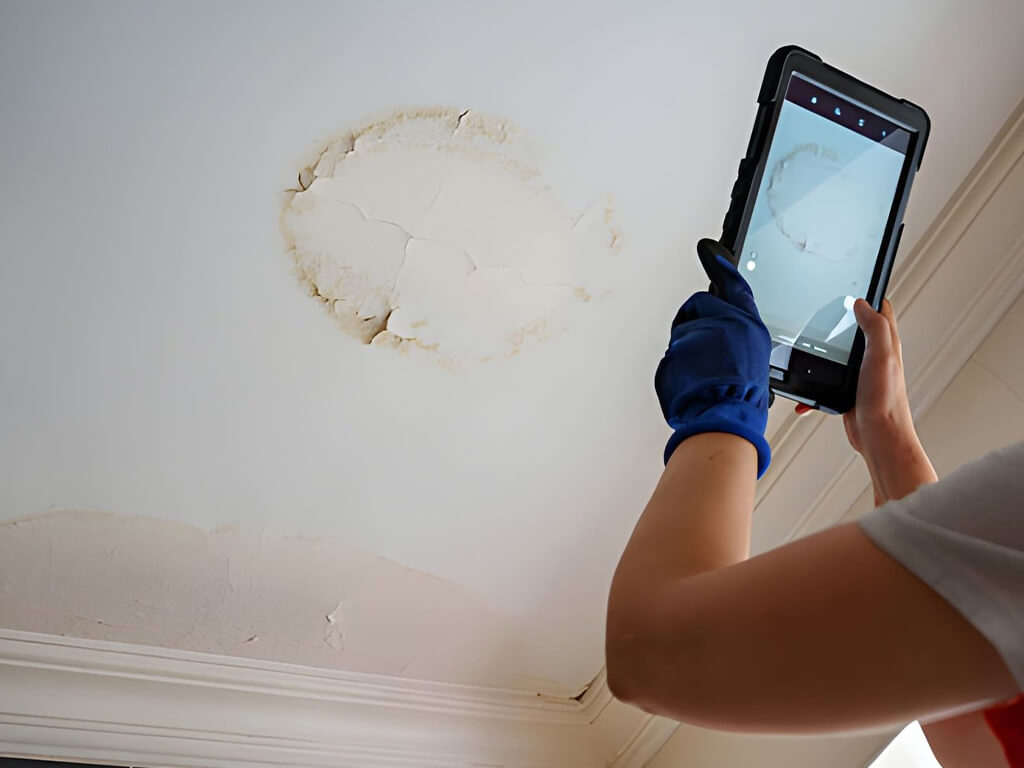
Water damage is the number one property emergency we respond to, by a wide margin. The sources vary: burst pipes, sump pump failures, washing machine overflows, supply line leaks, toilet backups, and yes — flooding from storms and the river.
What most homeowners don’t realize is how fast the damage compounds. Water doesn’t just sit on your floor. Within the first hour, it’s already wicking into drywall, soaking into subfloor, saturating insulation. And once moisture gets into those porous materials, drying it out becomes dramatically harder.
Speed matters more than almost anything else here.
Fire and Smoke Damage
A fire doesn’t have to be catastrophic to cause serious damage. Even a contained kitchen fire can push smoke and soot deep into walls, ductwork, and furniture throughout your entire home. Smoke residue is acidic and continues to corrode surfaces long after the fire itself is out.
If your home has experienced fire or smoke damage, ventilation and professional fire and smoke damage restoration needs to start quickly. Waiting even a day or two can mean the difference between salvaging materials and having to replace them.
Mold Growth
Mold is often the aftermath of water damage that wasn’t addressed fast enough. According to standards published by the Institute of Inspection, Cleaning and Restoration Certification (IICRC), mold can begin to germinate within 24 to 48 hours of moisture exposure in the right conditions. Once mold has colonized porous materials like drywall and insulation, those materials generally can’t be dried and saved — they have to come out.
Fort Madison’s warm, humid summers create near-ideal conditions for rapid mold growth. Don’t assume a “small” water incident won’t produce a mold problem. If moisture isn’t fully extracted and the affected area properly dried, it very well might.
Sewage Backups
Sewage backups are one of the more dangerous property emergencies because the water involved isn’t just messy — it’s genuinely hazardous. Contaminated water from sewer lines contains bacteria and pathogens that can make your family sick. This isn’t a situation for DIY cleanup with a mop and bucket.
Our sewage cleanup team follows strict safety and sanitation protocols to remove contaminated water, disinfect surfaces, and dry the affected area properly.
What to Do in the First 30 Minutes
So your basement just flooded. Or you’ve got smoke damage from a fire. What do you actually do?
A few immediate steps that matter:
Stop the water source if you can. For burst pipes or appliance failures, locate your water shutoff and turn it off. Every minute of active flow is more damage.
Don’t enter a heavily flooded area. If there’s any chance of electrical exposure, don’t wade in. Water and electricity are a dangerous combination.
Call a restoration professional right away. This should happen before you call your insurance company, or at least simultaneously. A restoration company like Clean Restoration in Fort Madison can deploy immediately to start mitigation — stopping the damage from spreading while you get your claim started.
Document everything. Take photos and video before anything is moved or cleaned up. Your insurance carrier will want this.
Don’t throw things away yet. Even items that look ruined may be salvageable, or may need to be documented for your claim before disposal.
Calling a Restoration Company vs. Calling Your Insurance First
This is one of the most common questions we hear. And honestly? The right answer is: call restoration first, or at least at the same time.
Here’s why. Your insurance company is going to send an adjuster to assess the damage. But adjusters take time. Meanwhile, water is spreading, mold clocks are ticking, and every hour you wait makes the situation more expensive to fix.
A restoration company’s job is to stop damage from getting worse — to extract water, set up drying equipment, contain affected areas. Getting that process started quickly is in everyone’s interest, including your insurer’s.
And here’s something that matters specifically to Fort Madison homeowners: you have the right to choose your own restoration contractor. Your insurance company may suggest someone, but the choice is yours. We work directly with all major insurance carriers and handle the documentation and coordination that makes claims go smoothly.
Understanding What Iowa Homeowners Insurance Typically Covers
This isn’t legal or financial advice, and every policy is different. But generally speaking, here’s how homeowners coverage tends to work in Iowa for the most common emergencies.
The Iowa Insurance Division offers a helpful overview for Iowa policyholders on what standard coverage typically includes and what to review.
Water Damage
Standard homeowners policies in Iowa generally cover water damage from sudden, accidental events — a burst pipe, a washing machine overflow, an appliance failure. What they typically don’t cover is damage from flooding caused by rising surface water, which requires a separate flood insurance policy. Sewer backup coverage is also often excluded from base policies and may need to be added as an endorsement.
Fire Damage
Accidental fire damage is covered under most standard homeowners policies. This includes not just the structural repairs but also smoke and soot cleanup, contents damage, and in many cases, temporary living expenses while your home is being restored.
Mold
Mold coverage is one of the more nuanced areas. If mold developed as a direct result of a covered water loss — say, a burst pipe — some remediation costs may be covered. If the mold resulted from a slow leak or ongoing moisture issue that went unaddressed, coverage is less likely. Acting fast after any water event is the most effective way to keep mold from becoming a separate claim issue.
Why Local Matters in an Emergency
There’s a real difference between calling a local company and calling a national franchise. When we get a call from Fort Madison, we know the area. We’re not dispatching from a regional hub hours away or routing calls through a call center. Our response time to the Fort Madison area averages around 30 minutes.
That’s not marketing language. That’s just what being local means.
Clean Restoration started as a locally owned operation out of Quincy, IL — built on honesty, fair pricing, and genuinely working for the homeowner, not the insurance carrier. We’re not tied to any specific insurer. Our job is to restore your property thoroughly and correctly. The fact that we also work with all major carriers and handle claims coordination is a convenience we offer to make a stressful process easier — but we’re always working on your side.
We also handle mold removal and contents and textiles cleaning for items damaged by water, smoke, or mold. When possible, we restore rather than replace. That approach tends to save homeowners real money and preserves things that matter.
One Thing Most Articles on This Topic Get Wrong
Most guides about property emergencies focus entirely on the physical damage. What they skip is the emotional and logistical weight of the situation — especially the insurance process.
Homeowners in Fort Madison often tell us they felt completely lost navigating the claims process while also trying to deal with the actual damage in their home. That’s understandable. It’s a lot to manage at once. Part of what we do is walk you through that process clearly, document everything your adjuster needs, and communicate directly with your carrier so you don’t have to be the middleman.
It doesn’t make the situation painless. But it makes it a lot less overwhelming.
## Ready to Call? We’re Available Right Now
If you’re dealing with a property emergency in Fort Madison, don’t wait to see if it gets better on its own. Water damage, fire damage, and mold don’t improve with time. Contact Clean Restoration for 24/7 emergency service in Fort Madison and the surrounding Lee County area. We’ll respond fast, assess the damage honestly, and help you through every step of the process.
Frequently Asked Questions
How fast can mold grow after water damage in Fort Madison?
Mold can begin germinating within 24 to 48 hours of moisture exposure under the right conditions. Fort Madison’s warm, humid summers make this timeline even more relevant. Getting water extraction and drying started quickly is the most effective way to prevent mold from becoming a secondary problem on top of your water damage.
Does homeowners insurance cover water damage in Iowa?
Generally, yes for sudden and accidental events like burst pipes or appliance failures. It typically doesn’t cover flooding from surface water, which requires separate flood insurance. Sewer backup coverage is also often excluded unless you’ve added it as an endorsement. The Iowa Insurance Division has resources to help Iowa homeowners understand their policies.
Should I call my insurance company or a restoration company first when a property emergency happens?
You can do both simultaneously, but don’t wait on restoration. Getting water extraction or mitigation started right away limits the damage and can actually reduce your total claim cost. Your restoration company and your insurer can work together — you don’t have to choose one or the other.
Does Clean Restoration work with insurance companies in Fort Madison?
Yes. We work with all major insurance carriers and handle the documentation, communication, and claims coordination from our side. You’re not required to use an insurer-recommended contractor — the choice is always yours.
What property emergencies does Clean Restoration handle in Fort Madison, IA?
We handle water damage restoration, fire and smoke damage cleanup, mold inspection and remediation, sewage backup cleanup, and contents and textiles cleaning for both residential and commercial properties. Our team is available 24 hours a day, seven days a week.
Is sewage backup dangerous to clean up myself?
Yes. Sewage water contains harmful bacteria and pathogens that pose real health risks. Professional cleanup with proper protective equipment, sanitation protocols, and dehumidification is the appropriate response for any sewage backup situation.
What’s the difference between mitigation and restoration?
Mitigation is the process of stopping damage from getting worse — extracting water, drying out materials, boarding up a fire-damaged structure. Restoration is the process of bringing the property back to its pre-damage condition. Both are part of what we do, and starting mitigation fast is what makes successful restoration possible.

Jeff Butler
Owner · Clean Restoration — Quincy, IL & Burlington, IA
Jeff Butler is the owner of Clean Restoration, a locally owned water, fire, and mold damage restoration company founded in 2018, serving Quincy, IL; Hannibal and Kirksville, MO; Burlington and Fort Madison, IA; and Macomb, IL. Jeff answers emergency calls directly, 24/7, and is regularly on-site with the crew during restoration jobs across the region. Clean Restoration is an IICRC-certified firm and is not a franchise.
Credentials: IICRC Certified Firm
In Business Since: 2018
Offices: 3120 N 12th St., Quincy, IL 63205 · 2874 E Mt. Pleasant Street Suite 102, Burlington, IA 52601 · (217) 440-1292
