
Fire Damage Restoration in Quincy, IL: What Happens in the First 24 Hours
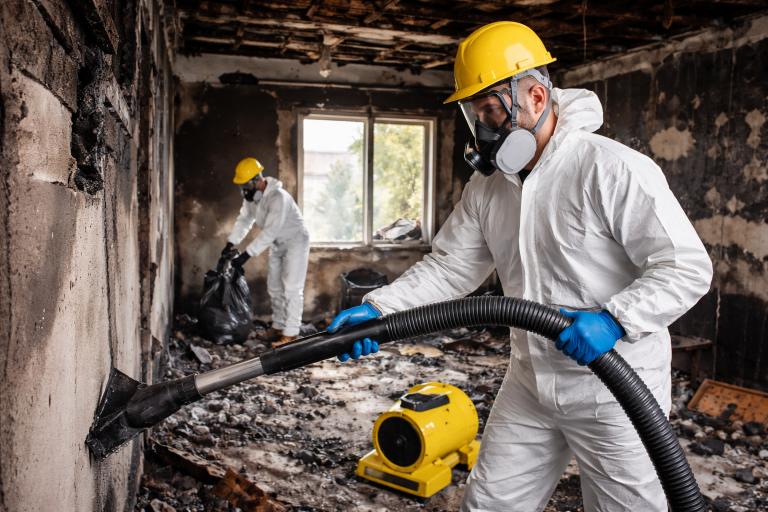
Fire Damage Restoration in Quincy, IL: What Happens in the First 24 Hours
A house fire can turn a normal day upside down in minutes. Once the flames are out and the fire trucks begin to leave, you may look at your home and wonder what happens next.
The first 24 hours after a fire are important. This is when you can begin protecting your home from additional damage, documenting the loss, and creating a plan for recovery.
If you are dealing with fire damage in Quincy, IL, knowing what to expect can make an overwhelming situation a little easier to manage.
Here is what typically happens during the first 24 hours of fire damage restoration.
First Things First: Make Sure Your Home Is Safe
Before worrying about cleanup, focus on safety.
Never assume your home is safe to enter because the flames are gone. Fire can weaken floors, ceilings, walls, and roofing. Electrical systems may be damaged. Hot spots can remain hidden inside walls or other materials.
Wait until the fire department or appropriate authorities tell you it is safe to enter.
Even then, be careful.
A home that looks stable from the outside may have serious damage inside. Broken glass, exposed nails, standing water, falling materials, and smoke residue can all create hazards.
If your home is not safe to occupy, arrange temporary accommodations for your family. Your homeowners insurance policy may provide coverage for certain additional living expenses, depending on your policy.
Hours 1 to 4: Assessing the Fire Damage
Once the property is safe to access, the initial damage assessment can begin.
Fire damage restoration professionals look at much more than burned walls and furniture.
They may inspect the home for:
- Structural fire damage
- Smoke damage
- Soot buildup
- Water damage
- Damaged electrical systems
- Affected personal belongings
- Areas that need immediate stabilization
Smoke is especially important.
A fire might start in your kitchen, for example, but smoke can travel into bedrooms, hallways, closets, and other parts of the home.
That is why a professional fire damage assessment should look at the entire property, not just the room where the fire started.
Document the Damage
Before major cleanup begins, document as much of the damage as safely possible.
Take photos and videos.
Capture damaged rooms from several angles. Photograph furniture, electronics, clothing, appliances, and other affected belongings.
Keep records of expenses related to the fire as well. This might include hotel rooms, meals, clothing, emergency repairs, and other necessary purchases.
Good documentation can make the insurance claim process easier.
Hours 2 to 6: Securing the Property
A damaged home may be exposed to the elements.
Windows might be broken. Doors may no longer lock. Part of the roof could be damaged.
This creates another problem: additional damage.
Rain can enter through a damaged roof. Animals can get inside. An unsecured property may also be vulnerable to trespassing or theft.
Emergency fire damage restoration in Quincy may include boarding up broken windows and doors or placing tarps over damaged sections of the roof.
The goal is simple: protect the property while the larger restoration plan is being developed.
Hours 4 to 12: Water Removal Begins
One thing that surprises many homeowners is how much water damage can follow a house fire.
Firefighters may need a significant amount of water to extinguish the flames. That water can soak into flooring, drywall, insulation, ceilings, furniture, and other materials.
So even though you called for fire damage restoration, part of the job may involve water damage restoration too.
Professionals may begin extracting standing water and identifying wet materials.
They can also use moisture detection equipment to find water that is not immediately visible.
For example, a hallway wall may look fine from the outside while the insulation behind it is wet.
Once excess water is removed, drying equipment may be brought in to help remove remaining moisture.
Hours 6 to 18: Addressing Smoke and Soot Damage
Smoke can be one of the most frustrating parts of a house fire.
It travels.
You might have visible fire damage in one room but notice a smoky smell throughout the entire house.
Soot can also settle on walls, ceilings, furniture, cabinets, and personal belongings.
Resist the temptation to immediately start scrubbing everything yourself.
Different types of smoke residue may require different cleaning methods. Using the wrong product or technique can sometimes spread soot or make certain stains harder to remove.
A fire restoration team can determine which surfaces may be cleaned and which materials need to be removed.
Can Your Belongings Be Saved?
Not everything exposed to smoke needs to be thrown away.
Furniture, clothing, documents, photographs, electronics, and other belongings may be evaluated for restoration.
Some items can be cleaned on-site. Others may need to be packed out and taken to another location for specialized cleaning.
The condition of each item matters.
This is another reason not to immediately throw everything into a dumpster before documenting and assessing the damage.
Hours 12 to 24: Dealing With Smoke Odors
Opening the windows may help air out the house, but it usually does not solve serious smoke odor problems.
Smoke particles can settle into porous materials.
Carpet, upholstery, drywall, insulation, wood, and other materials may hold odors long after the fire is extinguished.
Professional smoke damage cleanup focuses on removing the source of the odor instead of simply covering the smell with fragrances.
By this stage, your restoration team should also have a clearer understanding of the overall scope of the damage.
The next steps may include additional drying, soot cleanup, odor removal, damaged material removal, content restoration, and eventually reconstruction.
Contact Your Insurance Company Quickly
You should notify your insurance company as soon as reasonably possible after the fire.
Tell them what happened and ask what they need from you to begin the claims process.
Continue documenting everything.
Keep receipts for expenses related to the loss. Save emails and paperwork. Take photographs before damaged materials are removed when it is safe to do so.
You should also understand what your policy covers.
For example, there can be a difference between actual cash value and replacement cost coverage. Actual cash value generally considers depreciation. Replacement cost coverage may pay based on what it costs to replace covered property today, subject to the terms and limits of your policy.
Every insurance policy is different, so ask your insurance carrier or agent about your specific coverage.
What Not to Do After a House Fire
When you are stressed, it is easy to feel like you need to start fixing everything immediately.
That can sometimes cause more problems.
Do not enter the home until authorities say it is safe. Do not turn electricity or utilities back on yourself. Avoid using appliances that may have been damaged by the fire.
You should also avoid aggressive DIY soot cleaning before you know what type of damage you are dealing with.
Most importantly, do not assume that areas without visible flames were unaffected.
Smoke, soot, heat, and water can cause damage far beyond the original fire.
Why the First 24 Hours Matter
The first day after a house fire is not about rebuilding everything.
It is about getting control of the situation.
That means making sure the property is safe, preventing additional damage, removing standing water, assessing smoke and soot damage, documenting the loss, and establishing a restoration plan.
The faster those steps happen, the sooner you can understand what can be saved and what needs to be repaired or replaced.
Fire Damage Restoration in Quincy, IL: First-Day Checklist
If you experience a house fire in Quincy, keep these steps in mind:
- Get everyone to safety and call 911 during an active emergency.
- Do not re-enter the property until authorities say it is safe.
- Contact your insurance company.
- Contact a qualified fire damage restoration company.
- Photograph and document the damage.
- Secure broken windows, doors, and roofing.
- Remove standing water when necessary.
- Begin drying wet materials.
- Assess smoke and soot throughout the property.
- Develop a plan for cleanup and restoration.
Key Takeaways
The first 24 hours after a house fire can have a major impact on the restoration process.
Focus on safety first.
Then protect the property from additional damage, document the loss, contact your insurance company, and bring in qualified professionals to assess the fire, smoke, soot, and water damage.
You do not need to figure everything out in one day.
You simply need to take the right first steps.
Frequently Asked Questions About Fire Damage Restoration in Quincy, IL
How soon should fire damage restoration begin?
Restoration should begin as soon as the property is safe to access. Emergency mitigation can often start before the full reconstruction plan is finalized.
Can smoke damage rooms that never caught fire?
Yes. Smoke and soot can travel into rooms far away from the original fire and affect walls, ceilings, furniture, and other belongings.
Does homeowners insurance cover fire damage restoration?
Many homeowners insurance policies cover fire damage, but coverage varies. Deductibles, exclusions, limits, and replacement cost provisions depend on your individual policy.
How long does fire damage restoration take?
It depends on the extent of the damage. A smaller fire may require days or weeks of cleanup and repairs. Severe structural damage can take much longer to restore.
Should I clean soot myself?
It is usually better to have the damage assessed before attempting major soot cleanup. Using the wrong cleaning method can make some types of residue more difficult to remove.
Why do I need water damage restoration after a fire?
Water used to extinguish the fire may soak into floors, drywall, insulation, ceilings, and other materials. That moisture may need to be extracted and dried as part of the overall fire restoration process.

Jeff Butler
Owner · Clean Restoration — Quincy, IL & Burlington, IA
Jeff Butler is the owner of Clean Restoration, a locally owned water, fire, and mold damage restoration company founded in 2018, serving Quincy, IL; Hannibal and Kirksville, MO; Burlington and Fort Madison, IA; and Macomb, IL. Jeff answers emergency calls directly, 24/7, and is regularly on-site with the crew during restoration jobs across the region. Clean Restoration is an IICRC-certified firm and is not a franchise.
Credentials: IICRC Certified Firm
In Business Since: 2018
Offices: 3120 N 12th St., Quincy, IL 63205 · 2874 E Mt. Pleasant Street Suite 102, Burlington, IA 52601 · (217) 440-1292
