
Smoke Damage vs. Fire Damage: What’s the Difference and Why It Matters for Your Claim
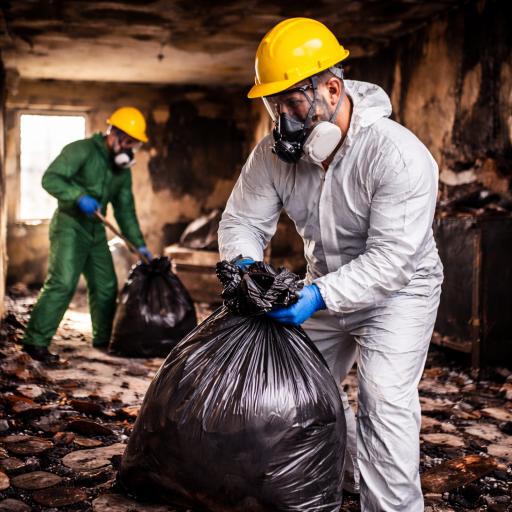
Smoke Damage vs. Fire Damage: What’s the Difference and Why It Matters for Your Claim
When most homeowners picture fire damage, they picture burned walls, blackened cabinets, and charred furniture.
Those are obvious signs of a fire.
But what about the bedroom that never caught fire and now smells like smoke? What about soot around the air vents? Or clothes inside a closed closet that suddenly smell like a campfire?
That is where smoke damage comes into the picture.
If your home in Quincy, IL, Hannibal, MO, Burlington, IA, or the surrounding Tri-State area has experienced a fire, it is important to understand the difference between fire damage and smoke damage.
The difference can affect how your home is cleaned, what can be restored, and how you document the damage for your insurance claim.
Smoke Damage vs. Fire Damage: What’s the Difference?
Fire damage and smoke damage often happen together, but they are not the same thing.
Fire damage generally refers to damage caused directly by flames and intense heat.
Think about a kitchen fire. The flames might burn the cabinets above the stove, damage the drywall, melt nearby appliances, and affect the flooring.
Those are clear examples of fire damage.
Depending on the severity of the fire, direct damage can include burned walls, damaged ceilings, charred framing, destroyed flooring, melted materials, and structural problems.
Smoke damage is different.
Smoke can move far beyond the area where the flames occurred.
It can travel through hallways, doorways, staircases, cracks, and ventilation systems. As it moves, soot and other residue can settle on surfaces throughout the house.
That means a fire contained to your kitchen could potentially create smoke damage in your living room, bedrooms, closets, or other areas of the home.
Why Smoke Damage Can Spread Throughout Your Home
Smoke moves with airflow.
That is why I tell homeowners not to judge the extent of fire damage based only on what looks burned.
Imagine a fire starts downstairs.
The firefighters contain it quickly, and the second floor never catches fire. At first glance, the upstairs bedrooms might look completely normal.
Then you walk upstairs and smell smoke.
You open a closet and notice your clothing smells smoky. You see dark residue near a vent.
The flames never reached those rooms, but the smoke may have.
Your heating and cooling system can also play a role. Depending on what was operating during the fire and how smoke traveled through the property, particles may reach areas far from the original source.
This is why a complete fire and smoke damage assessment should look beyond the room where the fire started.
Fire and Smoke Damage Require Different Cleanup Methods
Another important difference is how the damage gets cleaned.
Materials that are severely burned may need to be removed and replaced.
For example, badly charred drywall or cabinetry usually cannot simply be wiped clean. The same may be true for damaged insulation, flooring, or structural materials.
Smoke and soot damage can be different.
Some affected materials may still be salvageable if they are cleaned properly.
Walls, ceilings, furniture, clothing, and personal belongings may require specialized cleaning based on the type and severity of the residue.
This is also why I would not recommend immediately grabbing a sponge and household cleaner and scrubbing every black mark you see.
The wrong cleaning method can spread soot or make some stains more difficult to remove.
Why You Shouldn’t Just Paint Over Smoke Damage
Painting a stained wall might make it look better temporarily, but appearance is only part of the problem.
Smoke residue can remain on or inside materials.
The same goes for smoke odors.
Air fresheners might cover the smell for a few hours, but they do not necessarily remove the source.
Proper smoke damage restoration focuses on addressing the residue and odor before cosmetic repairs are completed.
Why Fire vs. Smoke Damage Matters for Your Insurance Claim
This is where understanding the difference becomes especially important.
Imagine the flames damaged only your kitchen.
If you document only the burned cabinets and damaged appliances, you may not be capturing the full extent of the loss.
What if there is soot in the hallway?
What if furniture in the living room smells strongly of smoke?
What if clothing in an upstairs bedroom was affected?
Those areas and belongings should be documented too.
Take photos and videos of visible damage. Make notes about rooms where you notice smoke odors or residue. Create an inventory of affected belongings.
Keep receipts and records related to the loss.
The goal is to create a clear picture of what happened throughout the property, not just where the flames were visible.
Does Homeowners Insurance Cover Smoke Damage?
Homeowners insurance commonly provides coverage for covered fire and smoke losses, but every policy is different.
Your coverage can depend on the cause of the fire, your policy limits, deductibles, exclusions, and other terms.
That is why you should contact your insurance company promptly after a fire and ask questions about your specific coverage.
Do not assume something is covered simply because it was damaged during the incident.
At the same time, do not assume smoke-damaged property should be ignored because it was never touched by flames.
Your insurance company needs an accurate picture of the loss.
If your home is temporarily uninhabitable, your policy may also provide coverage for certain additional living expenses. Save receipts for hotels, meals, and other necessary expenses and discuss them with your insurer.
Don’t Forget About Water Damage
After a house fire, homeowners can actually be dealing with three separate problems.
There is fire damage from the flames and heat.
There is smoke and soot damage.
Then there is water damage.
Firefighters may need to use a significant amount of water to extinguish a fire. That water can soak drywall, flooring, ceilings, insulation, furniture, and other materials.
You might have a room where the flames caused very little damage but firefighting water left the flooring and walls saturated.
That moisture needs attention too.
Standing water may need to be extracted, and wet materials may need professional drying or removal.
A complete fire restoration plan should account for all of these issues.
Signs of Hidden Smoke Damage
Not all smoke damage is immediately obvious.
After a fire, pay attention to things like persistent smoky odors, dark residue, yellow or brown discoloration, soot around vents, and unusual smells inside cabinets or closets.
Check fabrics and upholstered furniture too.
If the HVAC system runs and you suddenly notice a stronger smoke smell, mention that during the damage assessment.
Remember that smell alone does not tell you the full story.
An area without a strong odor should not automatically be assumed to be unaffected.
Can Smoke-Damaged Belongings Be Saved?
One of the first questions homeowners ask after a fire is, “Do I have to throw everything away?”
Not necessarily.
Some furniture, clothing, documents, photographs, household items, and other belongings may be restorable.
It depends on what the item is made from, how severely it was affected, and what type of smoke or soot exposure occurred.
Some belongings can be cleaned inside the home. Others may need to be packed up and taken to another location for specialized cleaning.
Other items may need replacement.
Before throwing away significant belongings, document them and communicate with your insurance company unless they must be removed immediately for safety reasons.
What to Do After Fire and Smoke Damage in the Tri-State Area
If you experience a house fire in Quincy, Hannibal, Burlington, or a surrounding community, focus on safety first.
Do not enter the home until authorities say it is safe.
Once you can safely begin dealing with the property, contact your insurance company and document the damage.
Take pictures of burned areas, but do not stop there.
Look for smoke and soot in other rooms. Document damaged belongings. Note areas with strong odors. Keep receipts related to the loss.
Then have the property professionally assessed for fire, smoke, soot, and water damage.
Why a Complete Damage Assessment Matters
A house fire can create more damage than you initially see.
That is the biggest thing I want homeowners to understand.
Do not look only at what burned.
Ask three questions:
What did the flames and heat damage?
Where did the smoke and soot travel?
Where did water create additional damage?
Answering all three gives you a much clearer picture of what needs to happen next.
Key Takeaways
Fire damage and smoke damage are related, but they are different.
Fire damage usually involves direct damage from flames and heat. Smoke damage can spread into areas that never experienced fire.
That difference matters when cleaning your home, evaluating your belongings, and documenting an insurance claim.
After a fire, take your time documenting the entire property. Do not assume a room is unaffected simply because it did not burn.
The goal is to identify the full extent of the damage so you can make informed decisions about cleanup and restoration.
Frequently Asked Questions About Smoke and Fire Damage
Is smoke damage considered fire damage for insurance purposes?
Smoke damage may be part of a covered fire-related loss, but coverage depends on your individual homeowners insurance policy and the circumstances of the fire.
Can you have smoke damage without fire damage?
Yes. Smoke can travel into rooms and areas that were never directly touched by flames.
How do I document smoke damage for an insurance claim?
Take photographs and videos of visible residue and affected belongings. Make notes about smoke odors and the rooms where you notice them. Keep inventories, receipts, and other records related to the loss.
Can smoke damage be cleaned?
Many smoke-damaged surfaces and belongings may be cleaned or restored. The correct method depends on the material and severity of the damage.
Should I paint over smoke-damaged walls?
It is better to address the underlying smoke and soot residue before repainting. Simply covering stains may not address the source of lingering odors.
Can smoke damage affect electronics?
Yes. Smoke and soot can reach electronic equipment. Do not assume an exposed device is safe simply because it still turns on.
How far can smoke travel after a house fire?
Smoke can potentially travel throughout a home. Airflow, the home’s layout, the HVAC system, and the nature of the fire can all influence how far it spreads.
Do I need professional restoration after a small fire?
Possibly. A relatively small fire can still create smoke, soot, odor, and water damage outside the immediate burn area. A professional assessment can help determine the full extent of the damage.

Jeff Butler
Owner · Clean Restoration — Quincy, IL & Burlington, IA
Jeff Butler is the owner of Clean Restoration, a locally owned water, fire, and mold damage restoration company founded in 2018, serving Quincy, IL; Hannibal and Kirksville, MO; Burlington and Fort Madison, IA; and Macomb, IL. Jeff answers emergency calls directly, 24/7, and is regularly on-site with the crew during restoration jobs across the region. Clean Restoration is an IICRC-certified firm and is not a franchise.
Credentials: IICRC Certified Firm
In Business Since: 2018
Offices: 3120 N 12th St., Quincy, IL 63205 · 2874 E Mt. Pleasant Street Suite 102, Burlington, IA 52601 · (217) 440-1292
