
Storm Damage Cleanup in Quincy, IL: What Homeowners Should Do Within the First 24 Hours
Key Takeaways
- Act quickly after a storm. The first 24 hours are critical to minimizing property damage and reducing long-term repair costs.
- Always prioritize safety. Stay away from damaged structures, standing water near electrical systems, and downed power lines until it’s safe to enter.
- Document everything. Take photos and videos of all visible damage before beginning cleanup or making temporary repairs to support your insurance claim.
- Prevent additional damage when possible. Temporary measures like covering broken windows or containing active leaks can help protect your property while waiting for professional assistance.
- Don’t ignore hidden moisture. Water trapped behind walls, under flooring, or in insulation can lead to mold growth and structural damage within 24–48 hours.
- Professional restoration helps protect your investment. Experienced restoration specialists can identify hidden damage, dry affected areas, and guide you through the recovery process.
Severe storms are a common part of life in Quincy, Illinois. High winds, heavy rain, hail, and lightning can leave homeowners dealing with unexpected property damage that requires immediate attention. While some damage is obvious, other issues such as hidden moisture behind walls or roof leaks, may not become apparent until days later.
The actions you take during the first 24 hours after a storm can make a significant difference in protecting your home, minimizing repair costs, and supporting a smoother insurance claims process. Here’s what every Quincy homeowner should know after a storm.
Common Types of Storm Damage in Quincy Homes
Every storm affects properties differently, but some of the most common types of damage restoration professionals encounter include:
- Roof damage from high winds or hail
- Broken windows and damaged siding
- Water intrusion through roofs or foundations
- Flooded basements
- Fallen trees or large branches impacting the home
- Damaged gutters and downspouts
- Moisture trapped inside walls, ceilings, and insulation
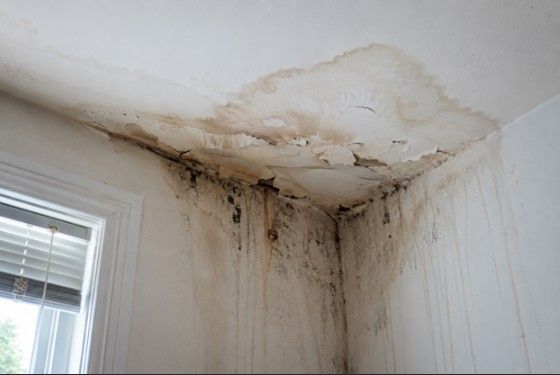
Even if damage appears minor, water can quickly spread into hidden areas, creating conditions for mold growth and structural deterioration.
What to Do During the First 24 Hours
Taking the right steps immediately after a storm can help reduce additional damage and improve the restoration process.
1. Make Safety Your First Priority
Before entering any damaged area, make sure the property is safe. Watch for:
- Downed power lines
- Structural damage
- Standing water near electrical systems
- Gas leaks
If you suspect your home is unsafe, contact local emergency services before re-entering the property.
2. Document the Damage
Take clear photos and videos of all visible damage before moving or cleaning anything.
Be sure to document:
- Roof damage
- Water inside the home
- Damaged furniture
- Flooring
- Appliances
- Personal belongings
- Exterior damage
These records can be extremely helpful when filing an insurance claim.
For additional guidance on documenting damage and navigating the claims process, read our guide on How Quincy Homeowners Navigate Insurance Claims After Water Damage.
3. Prevent Additional Damage (If Safe)
If conditions allow, take reasonable steps to prevent further damage, such as:
- Placing buckets under active leaks
- Moving valuables away from wet areas
- Covering broken windows with temporary materials
- Removing small amounts of standing water
Avoid attempting major repairs yourself, especially if structural damage is involved.
4. Contact a Professional Restoration Company
Storm damage often involves more than what is visible on the surface. Professional restoration teams use specialized equipment to identify hidden moisture and begin drying affected areas before additional damage develops.
The sooner restoration begins, the greater the chance of preventing long-term structural issues.
Why Waiting Can Make Damage Worse
Many homeowners believe they can wait several days before addressing storm damage, especially if the home still appears livable. Unfortunately, delaying restoration often allows problems to become much more expensive.
Within just 24 to 48 hours, excess moisture can begin to:
- Promote mold growth
- Damage drywall and insulation
- Warp hardwood flooring
- Weaken structural framing
- Create unpleasant odors
- Affect indoor air quality
What starts as a small roof leak or minor water intrusion can quickly turn into a much larger restoration project if left untreated.
How Professional Storm Damage Restoration Helps
A professional restoration company provides far more than cleanup. Restoration specialists help stabilize the property while preventing additional damage.
Typical storm restoration services include:
- Emergency water extraction
- Structural drying and dehumidification
- Roof tarping
- Board-up services
- Debris removal
- Moisture detection using specialized equipment
- Mold prevention treatments
- Structural repairs and reconstruction when needed
Every property is different, so restoration professionals create a customized plan based on the extent of the damage.
If you’re unsure what restoration specialists actually do, you may also find our article What Does a Damage Restoration Contractor in Western Illinois Actually Do helpful.
Insurance Tips for Quincy Homeowners
After a storm, insurance claims can feel overwhelming. Staying organized from the beginning can make the process much smoother.
Here are a few helpful tips:
- Notify your insurance company as soon as possible.
- Keep photos and videos of all damage.
- Save receipts for emergency expenses.
- Avoid throwing away damaged items until your insurance adjuster has reviewed them.
- Keep a record of all conversations with your insurance company.
Working with an experienced restoration company can also help provide the documentation needed throughout the claims process.
When Should You Call a Restoration Company?
Not every storm requires emergency restoration, but there are several signs that indicate professional help is needed.
Consider contacting a restoration company if you notice:
- Standing water inside the home
- Water stains on ceilings or walls
- Roof leaks
- Flooded basement
- Musty odors after the storm
- Fallen trees impacting the structure
- Wet insulation or drywall
- Visible mold growth
Even if you’re uncertain about the extent of the damage, a professional inspection can help identify hidden issues before they become larger problems.
If you’re still evaluating your options, our guide on How to Choose the Right Restoration Company in Quincy, IL can help you understand what to look for when selecting a trusted restoration partner.
Protect Your Home by Acting Quickly
Storm damage can be stressful, but taking immediate action helps protect both your property and your investment. Addressing water intrusion, structural concerns, and hidden moisture early can significantly reduce repair costs and prevent additional damage.
Whether your home has experienced roof leaks, flooding, wind damage, or fallen trees after a storm, working with an experienced restoration team ensures the recovery process begins as quickly and safely as possible.
If you need storm damage restoration services in Quincy, IL, or the surrounding Western Illinois communities, Clean Restoration is available to help assess the damage, begin mitigation, and guide you through every step of the restoration process.
Don’t Wait Until Minor Storm Damage Becomes a Major Restoration Project
Storm damage isn’t always obvious. What starts as a small roof leak or a little water intrusion can quickly turn into mold, structural damage, and costly repairs if left untreated.
If your home or business in Quincy, IL, or the surrounding Western Illinois communities has been affected by a recent storm, don’t wait to see if the damage gets worse. The sooner restoration begins, the better your chances of minimizing repairs and protecting your property.
Contact Clean Restoration for 24/7 emergency storm damage restoration services throughout Quincy, IL, and the surrounding tri-state area. Our experienced team will assess the damage, identify hidden moisture, explain your restoration options, and help you get your property back to pre-loss condition as quickly as possible.
Frequently Asked Questions
How soon should storm damage be repaired?
It’s best to begin mitigation within the first 24 hours whenever possible. Prompt action helps minimize water damage, reduce the risk of mold growth, and prevent additional structural issues.
Can storm damage lead to mold?
Yes. If moisture remains trapped inside walls, ceilings, or flooring, mold can begin developing within 24 to 48 hours under the right conditions.
Should I contact my insurance company before calling a restoration company?
Ideally, contact both as soon as possible. A restoration company can begin emergency mitigation to prevent further damage while you start the insurance claims process.
Does storm damage always require professional restoration?
Not always. Minor exterior damage may only require repairs. However, if your property has water intrusion, structural damage, flooding, or hidden moisture, professional restoration is strongly recommended.
What areas does Clean Restoration serve?
Clean Restoration proudly provides emergency restoration services throughout Quincy, IL, Western Illinois, and surrounding Southeast Iowa communities, helping homeowners recover from water, storm, fire, and other property damage emergencies.

Jeff Butler
Owner · Clean Restoration — Quincy, IL & Burlington, IA
Jeff Butler is the owner of Clean Restoration, a locally owned water, fire, and mold damage restoration company founded in 2018, serving Quincy, IL; Hannibal and Kirksville, MO; Burlington and Fort Madison, IA; and Macomb, IL. Jeff answers emergency calls directly, 24/7, and is regularly on-site with the crew during restoration jobs across the region. Clean Restoration is an IICRC-certified firm and is not a franchise.
Credentials: IICRC Certified Firm
In Business Since: 2018
Offices: 3120 N 12th St., Quincy, IL 63205 · 2874 E Mt. Pleasant Street Suite 102, Burlington, IA 52601 · (217) 440-1292
